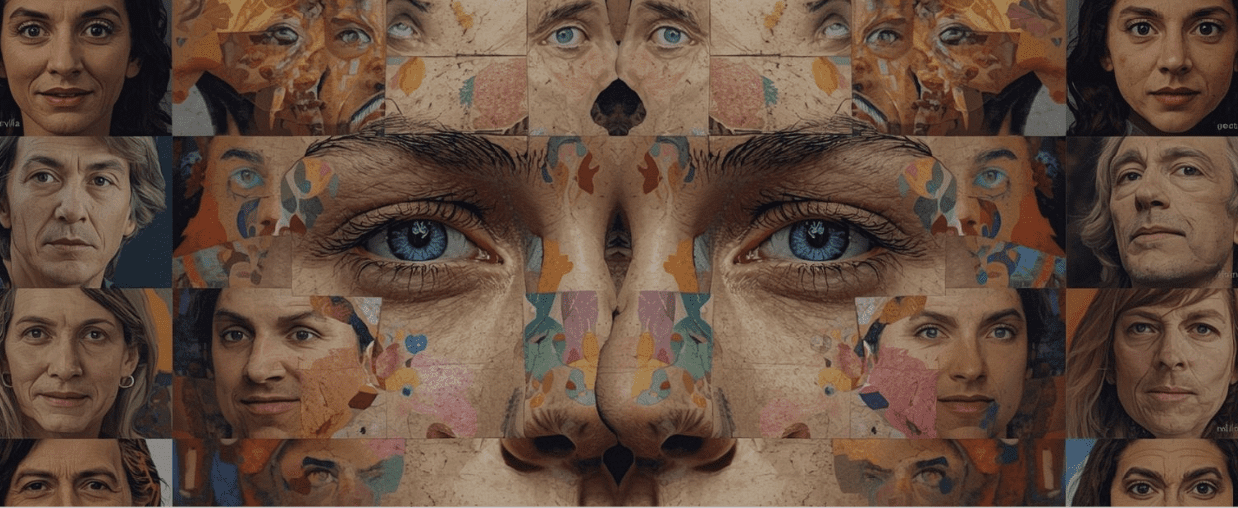
QAPLA is a 1:1 facial comparison tool for investigators, analysts, medical examiners, and prosecutors—built to confirm whether two images depict the same person, not to watch a crowd.
Investigators are asked whether two images years apart depict the same person; whether a partial or obstructed face is enough; whether a deceased individual can be identified on scene; whether a suspect is using a borrowed identity; whether a missing child and an adult subject could be the same person—without age progression.
Those determinations are time-sensitive and legally consequential. They are often made with degraded imagery and no reliable reference.
QAPLA supports identity confirmation, not surveillance. It compares two facial images. It does not collect a population.
QAPLA is a comparison workflow with a legal paper trail—not an automated identification system.
QAPLA compares two faces even when years, age progression, or a mask sit between the pictures. It confirms identity. It does not watch a crowd.
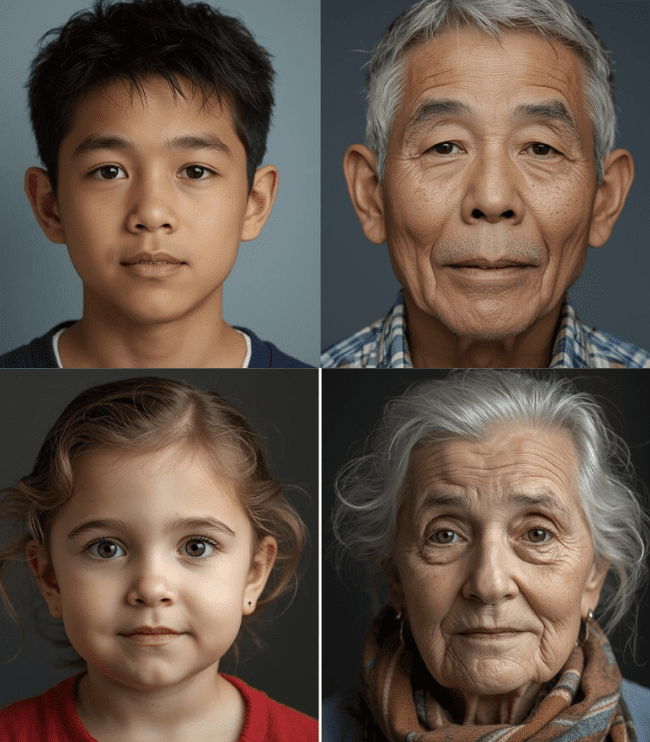

QAPLA does not build or search a gallery of the public. It answers a case-specific question: are these two faces the same person?
| Capability | Ad Hoc Visual Comparison | QAPLA |
|---|---|---|
| Question | Side-by-side guesswork across years or age | 1:1 comparison designed for identity confirmation |
| Image quality | Fails on partial or obstructed faces | Built for investigative, non-ideal imagery |
| DVI / ME use | Slow, manual, undocumented | Rapid confirmation when only limited imagery exists |
| Fraud / assumed ID | Name-based checks miss lookalikes | Face-to-face confirmation of the person, not the alias |
| Legal defensibility | No consistent record of method | Documented comparison with human review |

Each product serves a distinct function. Together they close identity gaps without mass surveillance.