

Every gate at your venue has weapons screening. Metal detectors, bag checks, maybe AI-powered portals. These systems find prohibited objects. They cannot tell you that the person walking through has three prior arrests for assault, an active warrant in a neighboring jurisdiction, or a lifetime ban from your venue.nnThe weapon is the symptom. The person is the threat. And right now, your perimeter security is blind to the most dangerous variable: identity.nnRTIS deploys at gate level to close this gap. Dedicated sensors capture a single still image per detect and compare it against 58.5M+ booking-verified law enforcement records in UMbRA and your operator-controlled watchlists. Every potential match is verified by a trained analyst at the Rapid Action Center before any alert reaches your team.nnNo biometric templates stored. No video recorded. No database built at your venue. Your officers get an actionable, human-verified alert with photo, name, and reason — in under 60 seconds.

Intelligence-Led Venue Security
Can you tell me who just walked through Gate 7? Weapons detection finds objects, not people. RTIS identifies the person carrying them, the person on your banned list, and the person with an active warrant. Every scan also searches for missing children.
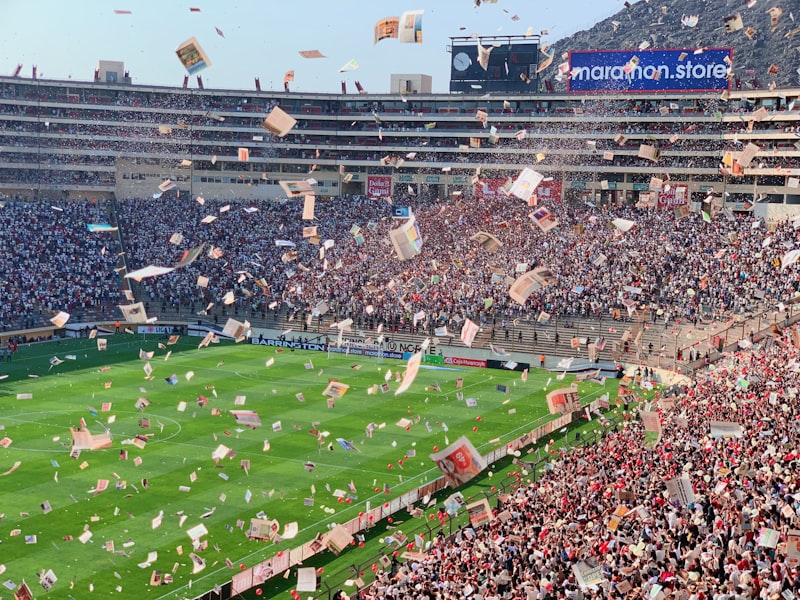
On event day, thousands pass your gates unidentified until RTIS closes the identity gap
Booking-sourced law enforcement records matched against every scan
From sensor detect to human-verified, actionable alert delivered to your team
Non-match images purged immediately. No biometric database built at your venue
The Gap Between Detection and Identification
Your venue likely has weapons screening at the gates. You may have CCTV with analytics across the concourse. You have a radio network and trained staff. But none of those systems can answer the most basic security question: who is this person?
Weapons Detection Is Not Identity
Your screening technology finds prohibited objects. It cannot tell you that the person carrying the object has three prior arrests for assault, an active warrant in a neighboring jurisdiction, or a lifetime ban from your venue. The weapon is the symptom. The person is the threat.
CCTV Records. It Does Not Identify.
Your cameras capture footage. If an incident occurs, you review hours of video hoping to find a face, then send it to law enforcement and wait. You have no way to identify a person of interest in real time. After the fact is too late for prevention.
Banned Patron Lists Are Paper
Most venues maintain banned patron lists as spreadsheets, PDFs, or binder photos at the security desk. Gate staff are expected to visually compare thousands of faces against a printed list. The match rate on manual visual identification is near zero at scale.
On event day, 40,000 to 80,000 people pass through your gates in a 90-minute window. You have names for zero of them.
What Safience Puts in Your Hands
One platform. Four products for security operations. Deployed in days, not months. No on-premises servers. No biometric data retained at your venue.
Know Who Is at the Gate
Dedicated RTIS sensors at entry points capture a single still image per detect. That image is compared against UMbRA (58.5M booking-verified law enforcement records) and your operator-controlled X-lists. Matches are verified by a trained analyst at the Rapid Action Center before any alert reaches your team. Non-match images are purged immediately. No video is created. No biometric templates are stored. Your gate staff receive an actionable, human-verified alert with photo, name, and reason for alert.
RTIS at the GateEvery Scan Searches for the Missing
RVIS runs on every RTIS scan. It cannot be disabled. Every image processed for threat identification is simultaneously compared against databases of missing children, trafficking victims, Silver Alert elders, and other law enforcement-designated missing persons. No additional hardware. No additional cost. No additional steps for your team. If RVIS finds a match, the Rapid Action Center handles the alert and coordinates with the appropriate law enforcement agency.
The Dual MissionYour Lists. Your Control.
X-LST is the operator-controlled list management layer embedded within RTIS. You define the lists: banned patrons, VIPs, executive protection principals, credential holders, private investigations. Safience has no visibility into your list contents during normal operations. Each list match generates an independent, compartmentalized alert. X-LST runs concurrently with UMbRA on every scan, so your custom lists and law enforcement records are checked simultaneously.
Banned Patrons and Custom ListsConfirm Identity After the Fact
QAPLA is a standalone browser-based tool for 1:1 facial comparison. Upload a reference photo and a trigger image. Get a definitive match or no-match result with similarity score. Use it for post-incident investigation, identity verification for trespass enforcement, and case documentation. QAPLA does not search a database; it compares two specific images. Human-initiated, on-demand, no connection to RTIS or UMbRA.
Investigative ToolsFrom Sensor to Alert in Under 60 Seconds
Detect
RTIS sensors capture a single image as a person passes through the sensor field of view at a gate, concourse, or access point. No video is recorded.
Compare
The image is compared against UMbRA (58.5M+ verified law enforcement records) and your operator-controlled X-LST watch lists. Non-match images are discarded immediately.
Verify and Alert
Every potential match is reviewed by a trained analyst at the Rapid Action Center (RAC). Only human-confirmed matches generate alerts to your security team.
Built for Security Leadership
CSO / VP Security
You own perimeter intelligence. RTIS gives your team actionable, human-verified alerts at every gate without building a biometric database at your venue.
Security Leadership
Event Security Manager
You run ingress on event day. RTIS integrates with your existing gate workflow and delivers alerts to your radio network in under 60 seconds.
Event Operations
Director of Loss Prevention
You manage banned patrons and repeat offenders. X-LST puts your lists on every sensor with compartmentalized alerts your team controls.
Loss Prevention
Go Deeper
Four operational areas. Each one addresses a specific challenge your team faces on event day and every day between events.
RTIS at the Gate
How the sensor works, what your staff sees, how alerts reach your team
Banned Patrons and Custom Lists
X-LST list management, banned patron enforcement, VIP recognition, credential verification
Event Day Operations
Pre-event briefing, ingress workflow, in-event monitoring, post-event reporting
Deployment
Site survey, sensor placement, connectivity, timeline, and what your team needs to do (almost nothing)
Start With a Gate Survey
Our deployment team surveys your gates, maps sensor positions, and delivers a coverage plan. No commitment. No construction. No disruption to your current operations.